4 months ago
The Importance of Keeping Your Website Up to Date
In today’s digital world, a website isn’t just...
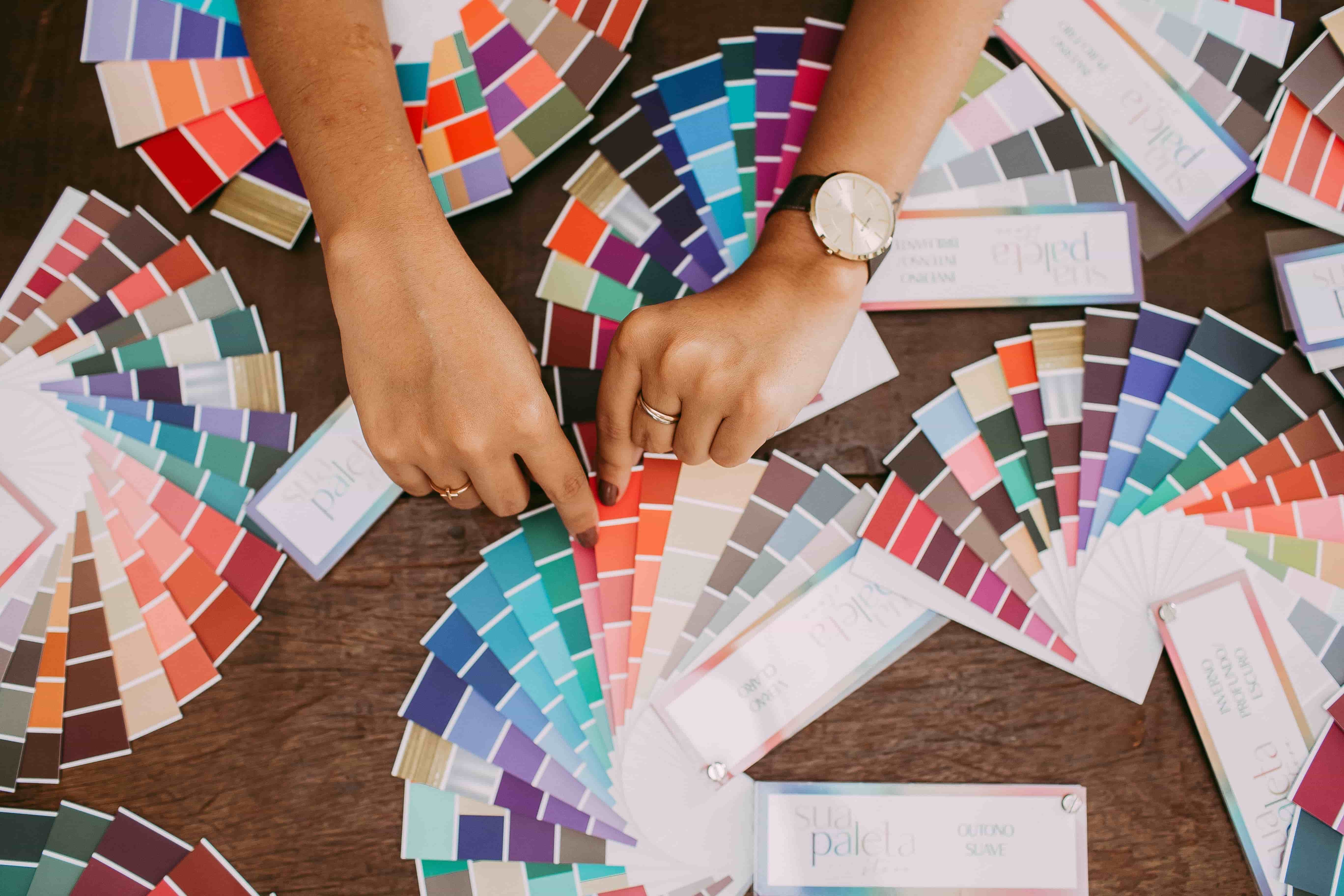
When it comes to website design, colors play a crucial role beyond just aesthetics. The hues you choose can significantly impact user experience, brand perception, and even your site's SEO. Understanding how to effectively utilize colors can make your website not only visually appealing but also more engaging and memorable to visitors.
Colors evoke emotions and influence behavior. They can convey messages, establish visual hierarchies, and guide users through your content. For instance, warm colors like reds and oranges can create a sense of urgency or passion, while cool tones like blues and greens promote calmness and trust.
The Psychological Impact
Psychology studies have shown that color can affect mood and decision-making. When designing your website, consider your target audience and the emotions you want to evoke. Are you aiming for a professional and trustworthy image? Or perhaps a playful and creative vibe?
Best Practices for Color Selection:
Impact on SEO:
In conclusion, selecting the right colors for your website design goes beyond personal preference—it's about creating a cohesive visual identity that resonates with your audience and supports your business goals. By understanding color psychology, leveraging design principles, and considering accessibility and SEO implications, you can create a website that not only looks great but also performs well in search engine rankings.
For expert assistance with your website design and color choices, contact DGA Softworks today. Our team specializes in creating visually stunning and SEO-friendly websites tailored to your unique brand needs.
In today’s digital world, a website isn’t just...

When it comes to website design, colors play a...

In today's digital age, a powerful online prese...